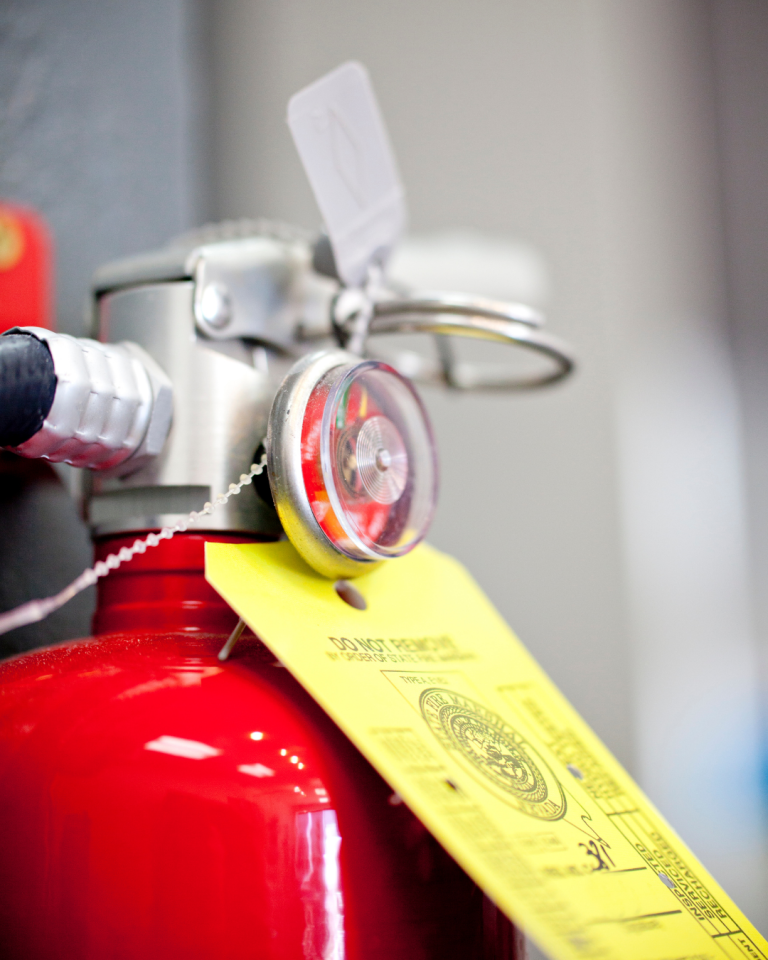
Fire is essential for everyday life, but it can quickly become dangerous and destructive. Understanding how fire behaves—and how to control it—is critical for protecting life and property.
Fire requires three elements to exist:
Heat – raises materials to ignition temperature
Fuel – any combustible material
Oxygen – sustains the fire
Removing any one of these elements will extinguish the fire.
Modern fire extinguishers have evolved significantly since their early designs in the 1800s and are now a critical first line of defense in homes, businesses, and public spaces.
Choosing the Correct Extinguisher is Essential
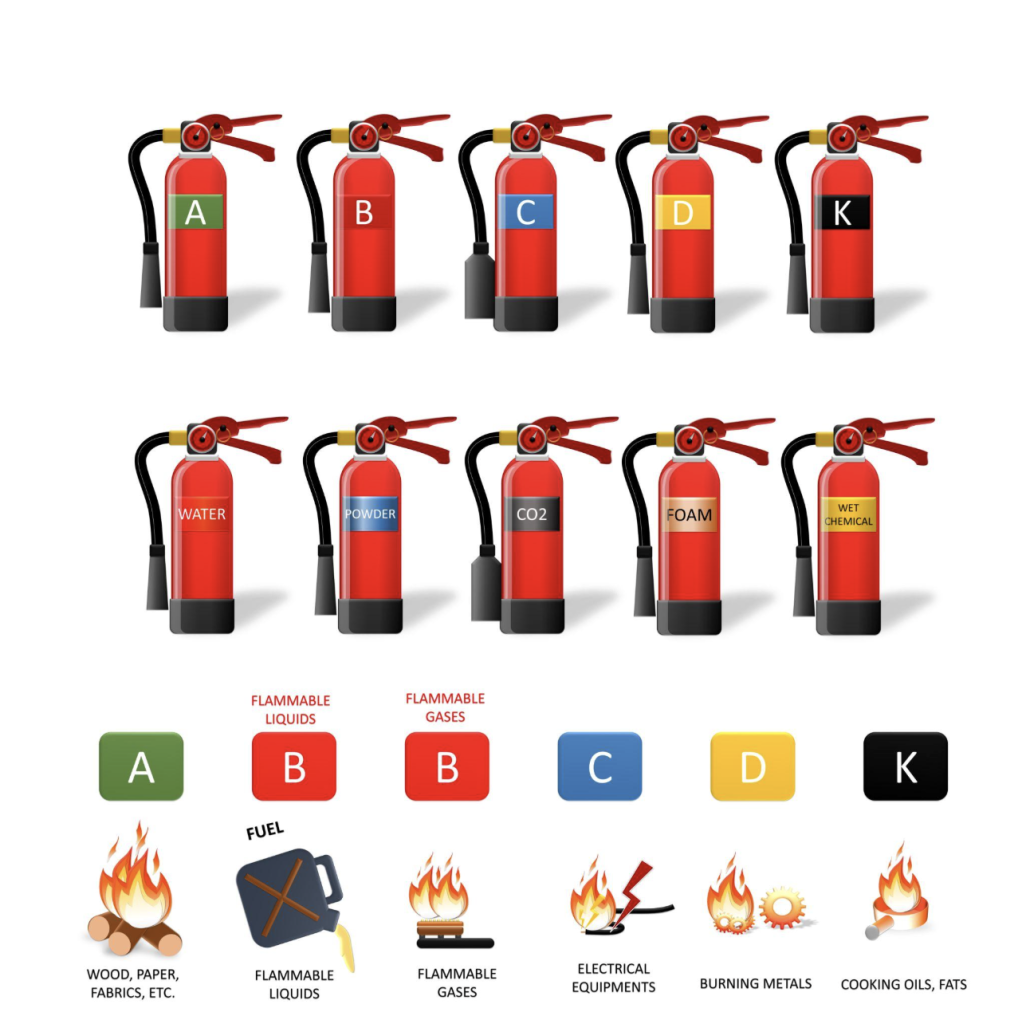
Each type is designed for specific fire hazards:
Class A Ordinary combustibles such as wood, paper, cloth, plastics, and trash
Class B Flammable liquids and gases such as gasoline, oil, paint, propane, and butane
Class C Electrical equipment including appliances, wiring, motors, and transformers
Class D Combustible metals such as magnesium, lithium, titanium, and potassium
Class K Cooking oils and grease fires typically found in commercial kitchens
Using the wrong extinguisher can make a fire worse. Always verify the classification before use.
How to Use a Fire Extinguisher (P.A.S.S.)
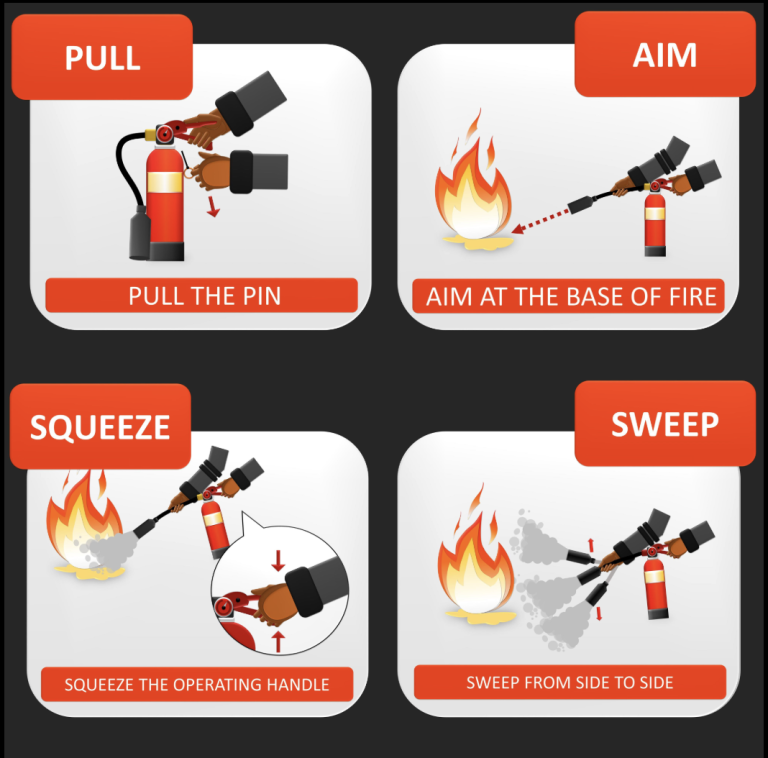
In an emergency, remember the P.A.S.S. method:
Pull – Pull the pin to unlock the extinguisher
Aim – Aim the nozzle at the base of the fire
Squeeze – Squeeze the handle to release the extinguishing agent
Sweep – Sweep side to side across the base of the fire
Important Notes:
Most extinguishers discharge for less than 30 seconds